Concrete Patio Settling Problems in DeKalb County (2026)
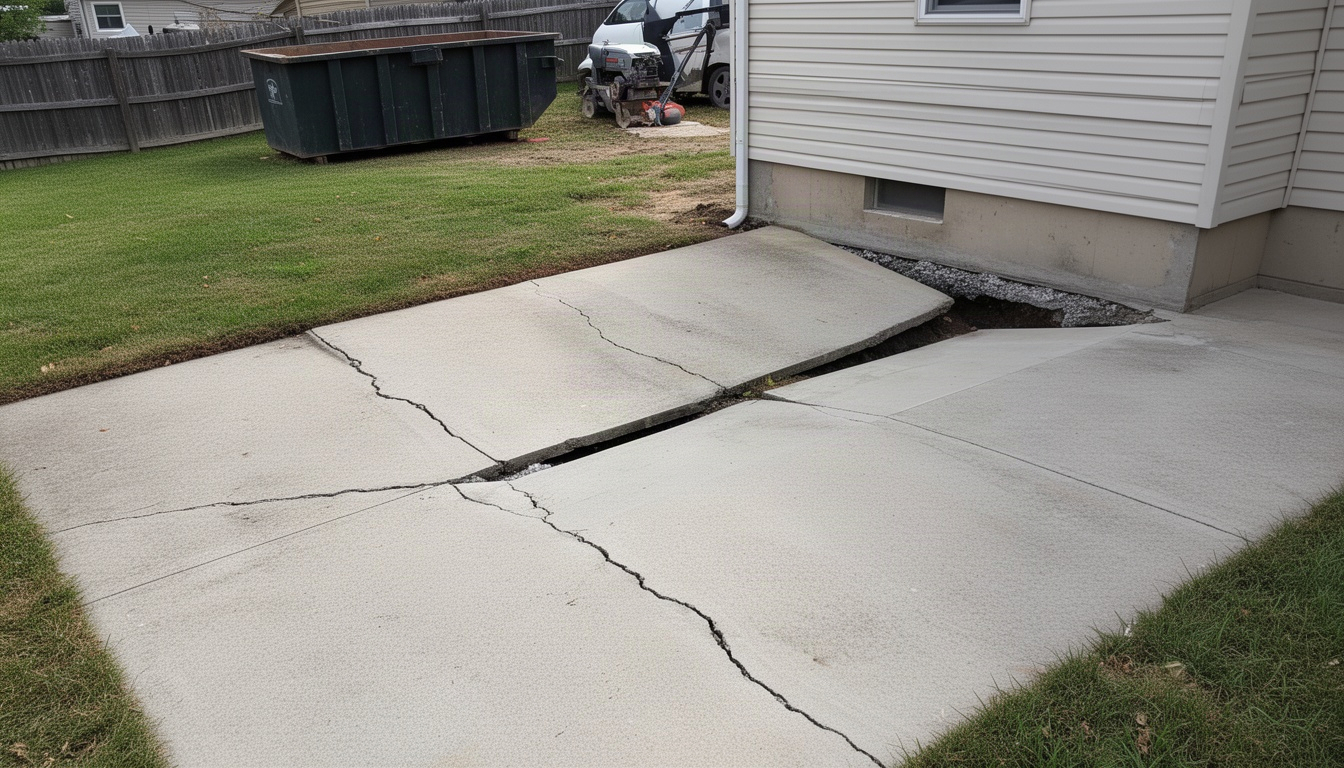
Concrete Patio Settling Problems County in DeKalb, GA: Dekalb Concrete serves DeKalb and the surrounding area. Visit dekalbconcretellc.com for a free quote.
TL;DR: Concrete patio settling in DeKalb County is driven primarily by Georgia's red clay soils that shrink and swell with moisture changes, combined with our region's [50 inches of annual rainfall]. Repair costs vary by method and severity. Early intervention prevents trip hazards and foundation damage.
In This Article
- Why Concrete Patios Settle in DeKalb County
- What Are the Warning Signs of a Settling Patio?
- How Much Does Patio Settling Repair Cost in DeKalb County?
- Repair Options: Which Fix Is Right for Your DeKalb Patio?
- How Can You Prevent Patio Settling From Happening Again?
- Frequently Asked Questions About Patio Settling in DeKalb County
- Finding Reliable Concrete Repair in DeKalb County
- Next Steps
Why Concrete Patios Settle in DeKalb County
If you've noticed your patio sinking, tilting, or cracking unevenly, you're not alone - and the cause is rooted in where we live. (Usda.gov) DeKalb County sits on Georgia's Piedmont Plateau, underlain by Cecil and Appling series soils: deep red clay with documented shrink-swell behavior that destabilizes concrete flatwork. Georgia is known for its expansive red clay soil, which behaves dramatically with moisture. This clay expands significantly when wet and shrinks during dry periods. When soil expands during wet periods and contracts during drought, it lifts and drops the slab above it. This cycle repeats every few years, and our climate accelerates it.
Atlanta receives approximately [50 inches of annual rainfall] annually - well above the U.S. average of 38 inches. That extra moisture cycles through our clay soils, creating the exact conditions that cause settling. As Poly Lift USA notes in their overview of Soil Stabilization in Atlanta, Georgia, [soil stabilization is the process of strengthening weak or loose soil beneath concrete so the slab has better support underneath it]. Add Georgia's occasional freeze-thaw cycles (even though we're in USDA Zone 7b/8a with milder winters), tree roots extracting moisture from clay near patio edges, and poor sub-base compaction from older residential development, and you have a perfect recipe for concrete movement.
DeKalb's Red Clay and Drainage: A Settling Accelerator
Our red clay doesn't just sit passively under your patio. It actively shrinks when dry and swells when wet - sometimes by several inches over a season. When clay swells, it can heave a slab upward; when it dries out, voids form underneath, and the concrete drops. This isn't a one-time event. The cycle repeats, and each cycle weakens the bond between the slab and its base.
Drainage amplifies the problem. If water pools near your patio or downspouts discharge directly alongside it, water saturates the clay subbase, accelerating erosion and clay volume cycling. Here in DeKalb neighborhoods like Decatur, Druid Hills, and Tucker, mature hardwoods - oaks, sweet gums, willow oaks - extract moisture from clay soils at patio edges, creating localized desiccation that causes differential settling. One corner of your patio may drop while another stays level.
Other Common Causes: Roots, Erosion, and Poor Base Prep
Tree roots are a silent culprit. They don't break through concrete; instead, they extract water from the soil, causing clay to shrink and creating voids. When the tree is removed or dies, the root system decays, and the void collapses - taking the patio with it.
Erosion beneath the slab is equally destructive. If the original base wasn't compacted properly - common in post-1970s suburban DeKalb development on fill soils - the gravel base settles unevenly. Water flowing under the slab washes away fine particles, leaving larger voids. Over time, the concrete loses support and sinks. Sinking concrete can create serious safety hazards and lead to costly damage to your home.
Poor drainage during installation is the third major culprit. If the patio was poured without adequate slope or without a compacted gravel base, settling is almost inevitable in our clay environment.
What Are the Warning Signs of a Settling Patio?
Early detection saves money and prevents liability. Here's what to look for:
Visual warning signs:
- Uneven or tilted slabs – One section noticeably higher or lower than adjacent areas
- Widening cracks – [Wider, structural cracks (more than a quarter-inch) are a greater concern than fine hairline cracks]
- Pooling water – Water collecting on the patio surface after rain instead of draining away
- Gaps at the house foundation – Visible separation between the patio and your home's foundation
- Rocking or movement – Slabs that shift slightly when you walk on them
- Trip hazards – A vertical displacement of ½ inch or more between adjacent slabs
A vertical displacement of ½ inch or more qualifies as a trip hazard under ADA accessibility guidelines and Georgia premises liability law. This creates legal exposure if a guest or visitor is injured. Even if you don't have regular foot traffic, the liability is real.
Cosmetic vs. Structural Settling: How to Tell the Difference
Cosmetic settling is surface-level: minor cracks, slight discoloration, or a small dip that doesn't affect drainage or safety. These are annoying but not urgent.
Structural settling involves movement that affects the patio's function or safety: significant height differences between slabs, large cracks that widen, water pooling, or gaps opening at the foundation. This requires repair within 6–12 months to prevent further damage.
Urgent settling includes severe displacement (1+ inch), active movement (the slab shifts noticeably when you walk on it), or cracks that widen visibly week to week. This needs professional assessment immediately.
How Much Does Patio Settling Repair Cost in DeKalb County?
The cost depends on which repair method you choose. Here's a transparent breakdown for a typical 200 sq ft residential patio in DeKalb County:
| Repair Method | Cost Per Sq Ft | 200 Sq Ft Patio | Timeline | Longevity |
|---|---|---|---|---|
| Mudjacking | $3–$8 | $600–$1,600 | 24–48 hours cure | 5–8 years (clay soils) |
| Polyurethane Foam Lifting | $5–$12 | $1,000–$2,400 | 15 min cure, 1 hr ready | 7–10 years (clay soils) |
| Full Slab Replacement | $8–$18 | $1,600–$3,600 | 7–10 days | 20–30 years |
Factors that affect your quote:
- Access difficulty – Is the patio easy to reach with equipment, or blocked by landscaping?
- Slab thickness – Thicker slabs require more material and labor to lift
- Number and depth of voids – More voids mean more injections and higher cost
- Proximity to the house foundation – Lifting near the foundation requires extra care and precision
- Existing damage – Severe cracking may require partial demolition before lifting
A 200 sq ft patio with moderate settling and good access typically costs $1,000–$1,600 for mudjacking or $1,200–$2,000 for foam lifting. Full replacement runs $1,600–$3,600 but includes a new 20–30 year lifespan.
Mudjacking vs. Foam Lifting vs. Full Replacement: Cost at a Glance
Mudjacking is the most affordable option upfront. The process involves pumping a slurry of water, soil, sand, and cement under the slab to raise it back into position. The downside: the slurry weighs 100–130 lbs per cubic foot. On DeKalb's clay soils, that added weight can accelerate recompression, meaning the patio may re-settle within 5–8 years. It's a good short-term fix if your budget is tight or the settling is minor.
Polyurethane foam lifting costs more initially but is lighter (2–4 lbs per cubic foot) and [cures in 15 minutes] - ready for traffic within an hour. Because it adds minimal weight to already-compressed clay, it's less likely to re-settle. Longevity is typically 7–10 years in our clay environment. For most DeKalb homeowners, this is the best value. Polyurethane foam leveling reduces the pressure on the wall by 60 to 80 percent, and [the repair is usable within 15 minutes].
Full slab replacement is the permanent solution. You remove the old slab, properly prepare and compact the base (critical in clay soils), and pour new concrete. Cost is highest, but longevity is 20–30 years. It's the right choice if the slab is severely damaged, if settling is recurring, or if you want a long-term fix.
Repair Options: Which Fix Is Right for Your DeKalb Patio?
Choosing the right repair depends on slab age, crack severity, void depth, and your long-term plans for the patio.
When Mudjacking Makes Sense (and When It Doesn't)
Choose mudjacking if:
- The slab is less than 10 years old
- Settling is minor (less than ½ inch differential)
- Cracks are hairline or small
- Your budget is under $1,500
- You're willing to accept a 5–8 year lifespan
Avoid mudjacking if:
- The slab is already 15+ years old
- Settling is severe (1+ inch differential)
- Cracks are wide (¼ inch or more)
- The patio is near your foundation (risk of pushing the slab into the house)
- You want a long-term fix
Mudjacking addresses the symptoms of sunken concrete but fails to tackle the root cause - the unstable soil. If your concrete was sinking due to poorly compacted soil, the heavy slurry mixture can actually exacerbate the problem by further compressing the clay beneath. In DeKalb's clay environment, mudjacking is a temporary patch. It works, but expect to revisit the problem in 5–8 years as the clay continues to cycle.
Is Full Slab Replacement Ever the Better Value?
Yes - if the patio is already 15+ years old, severely cracked, or re-settling after a previous repair. The upfront cost is higher ($1,600–$3,600), but you're buying 20–30 years of stability. Spread across that lifespan, the annual cost is actually lower than repeated lifting repairs.
Full replacement also lets you fix the root cause: poor drainage, inadequate base compaction, or grading that directs water toward the slab. A properly poured and sealed concrete patio lasts 25 to 30 years with very little upkeep. A new patio with proper slope, a compacted 4–6 inch gravel base, and downspout extensions will perform far better than a lifted slab sitting on the same compromised base.
If you're planning to stay in your home for 10+ years, replacement is worth the investment.
How Can You Prevent Patio Settling From Happening Again?
Prevention is cheaper than repair. Here are five steps tailored to DeKalb's clay and rainfall:
1. Grade away from the foundation. Slope the patio so water runs away from your house and the slab, not toward it. A 1–2% slope (about ¼ inch per foot) is sufficient. This single step prevents most subsurface erosion.
2. Extend downspouts 4–6 feet away. Water discharged directly beside the patio saturates clay and accelerates settling. Use downspout extensions or underground drainage to direct water away.
3. Install root barriers. If large trees are near the patio, a root barrier (plastic or fabric) installed 2–3 feet deep can reduce moisture extraction by tree roots. This is especially important for willows and sweet gums.
4. Use control joints. Saw cuts every 8–10 feet reduce random cracking and allow the slab to move slightly without catastrophic failure. These should be cut within 24 hours of pouring.
5. Compact the gravel base properly. If you're replacing the patio, insist on a 4–6 inch compacted gravel base, compacted in 2-inch lifts with a mechanical compactor. This is non-negotiable in DeKalb's clay soils.
Perform an annual inspection in spring. Look for new cracks, pooling water, or height differences. Catch problems early, and you'll avoid expensive repairs.
Frequently Asked Questions About Patio Settling in DeKalb County
Is mudjacking or polyurethane foam better for DeKalb's clay soil?
Direct Answer: Polyurethane foam lifting is generally better for DeKalb's clay soils because it adds minimal weight, reducing the risk of re-settling.
Mudjacking slurry weighs 100–130 lbs per cubic foot; on already-compressed clay, that weight can accelerate recompression. Foam weighs only 2–4 lbs per cubic foot and cures in 15 minutes, so you can use the patio the same day. Longevity is typically 7–10 years versus 5–8 years for mudjacking in our clay environment. If budget allows, foam is the smarter choice here in DeKalb.
Can I repair a settling patio myself or do I need a contractor?
Direct Answer: You need a licensed contractor. Concrete lifting requires specialized equipment, precise pressure control, and knowledge of soil conditions - mistakes can damage your patio or foundation.
Mudjacking and foam lifting involve injecting material under pressure into voids beneath the slab. Too much pressure, and you crack the concrete or push it into your house. Too little, and the slab doesn't lift. A professional contractor has the equipment, insurance, and experience to do this safely. DIY attempts almost always fail and cost more to fix.
How long does concrete lifting last after repair?
Direct Answer: In DeKalb's clay soils, mudjacking typically lasts 5–8 years; polyurethane foam lifting lasts 7–10 years.
Longevity depends on whether the underlying cause - poor drainage, inadequate base compaction, or tree roots - is addressed. If you fix the drainage and install downspout extensions, the repair will last longer. If you don't, the clay will continue to cycle, and settling will recur. Full slab replacement, with proper base prep, lasts 20–30 years.
Will settling concrete damage my home's foundation?
Direct Answer: Settling patios rarely damage the foundation directly, but they can create drainage problems that saturate the soil around your foundation, potentially causing foundation settling.
Unlevel concrete often directs water flow towards your house. This can lead to water intrusion into your basement or crawl space, causing mold growth and structural damage. If your patio is settling and water is pooling near your house, address it within 6–12 months to prevent foundation problems.
Does DeKalb County require a permit to repair or replace a patio?
Direct Answer: Repair-only work (mudjacking or foam lifting) typically does not require a permit. Full slab replacement may require a building permit, depending on the scope and whether grading or drainage work is involved.
The DeKalb County Permits, Plan Review & Inspections department confirms that a building permit application is required for all qualifying projects - contact Development Services directly to confirm current requirements before starting work. Permit thresholds can change, and some projects require inspection. A licensed contractor will know the current rules and can handle permitting if needed.
Finding Reliable Concrete Repair in DeKalb County
When you're ready to address settling, work with a contractor who understands DeKalb's clay soils and local drainage challenges. The right contractor will:
- Diagnose the root cause – Not just lift the slab, but identify why it settled (drainage, roots, poor base prep) and recommend prevention
- Offer transparent pricing – Provide a written quote with per-square-foot costs and a clear scope
- Carry insurance and licensing – Verify they're licensed and insured in Georgia
- Guarantee the work – Stand behind the repair with a written warranty
Dekalb Concrete serves homeowners and commercial property owners throughout DeKalb County, Gwinnett, Marietta, Roswell, Alpharetta, and surrounding areas. They offer free estimates on patio repair, replacement, and new installations. Their team understands the specific soil and drainage challenges we face here in DeKalb and can recommend the best repair method for your situation. Call for a free consultation and get a transparent quote before committing to any work.
Next Steps
If your patio is settling, don't wait. A small dip today becomes a trip hazard and a larger repair bill tomorrow. Here's what to do:
- Inspect your patio – Look for uneven slabs, cracks, pooling water, or gaps at the foundation
- Check drainage – Confirm that water slopes away from the patio and your house
- Get a professional assessment – Call a licensed concrete contractor for a free estimate
- Choose your repair method – Weigh cost, longevity, and your long-term plans
- Address the root cause – Fix drainage, extend downspouts, or install root barriers to prevent re-settling
The longer you wait, the more expensive the repair becomes. Act now, and you'll protect your patio, your foundation, and your wallet.
Ready to Get Started?
For personalized guidance, visit Dekalb Concrete to learn how we can help.
Frequently Asked Questions
What Are the Warning Signs of a Settling Patio?
Early detection saves money and prevents liability. Here's what to look for:
How Much Does Patio Settling Repair Cost in DeKalb County?
The cost depends on which repair method you choose. Here's a transparent breakdown for a typical 200 sq ft residential patio in DeKalb County:
Repair Options: Which Fix Is Right for Your DeKalb Patio?
Choosing the right repair depends on slab age, crack severity, void depth, and your long-term plans for the patio.
Is Full Slab Replacement Ever the Better Value?
Yes - if the patio is already 15+ years old, severely cracked, or re-settling after a previous repair. The upfront cost is higher ($1,600–$3,600), but you're buying 20–30 years of stability. Spread across that lifespan, the annual cost is actually lower than repeated lifting repairs.
How Can You Prevent Patio Settling From Happening Again?
Prevention is cheaper than repair. Here are five steps tailored to DeKalb's clay and rainfall:
Is mudjacking or polyurethane foam better for DeKalb's clay soil?
Polyurethane foam lifting is generally better for DeKalb's clay soils because it adds minimal weight, reducing the risk of re-settling.
Can I repair a settling patio myself or do I need a contractor?
You need a licensed contractor. Concrete lifting requires specialized equipment, precise pressure control, and knowledge of soil conditions - mistakes can damage your patio or foundation.
How long does concrete lifting last after repair?
In DeKalb's clay soils, mudjacking typically lasts 5–8 years; polyurethane foam lifting lasts 7–10 years.
Will settling concrete damage my home's foundation?
Settling patios rarely damage the foundation directly, but they can create drainage problems that saturate the soil around your foundation, potentially causing foundation settling.
Does DeKalb County require a permit to repair or replace a patio?
Repair-only work (mudjacking or foam lifting) typically does not require a permit. Full slab replacement may require a building permit, depending on the scope and whether grading or drainage work is involved.